Field Notes
Blog
-
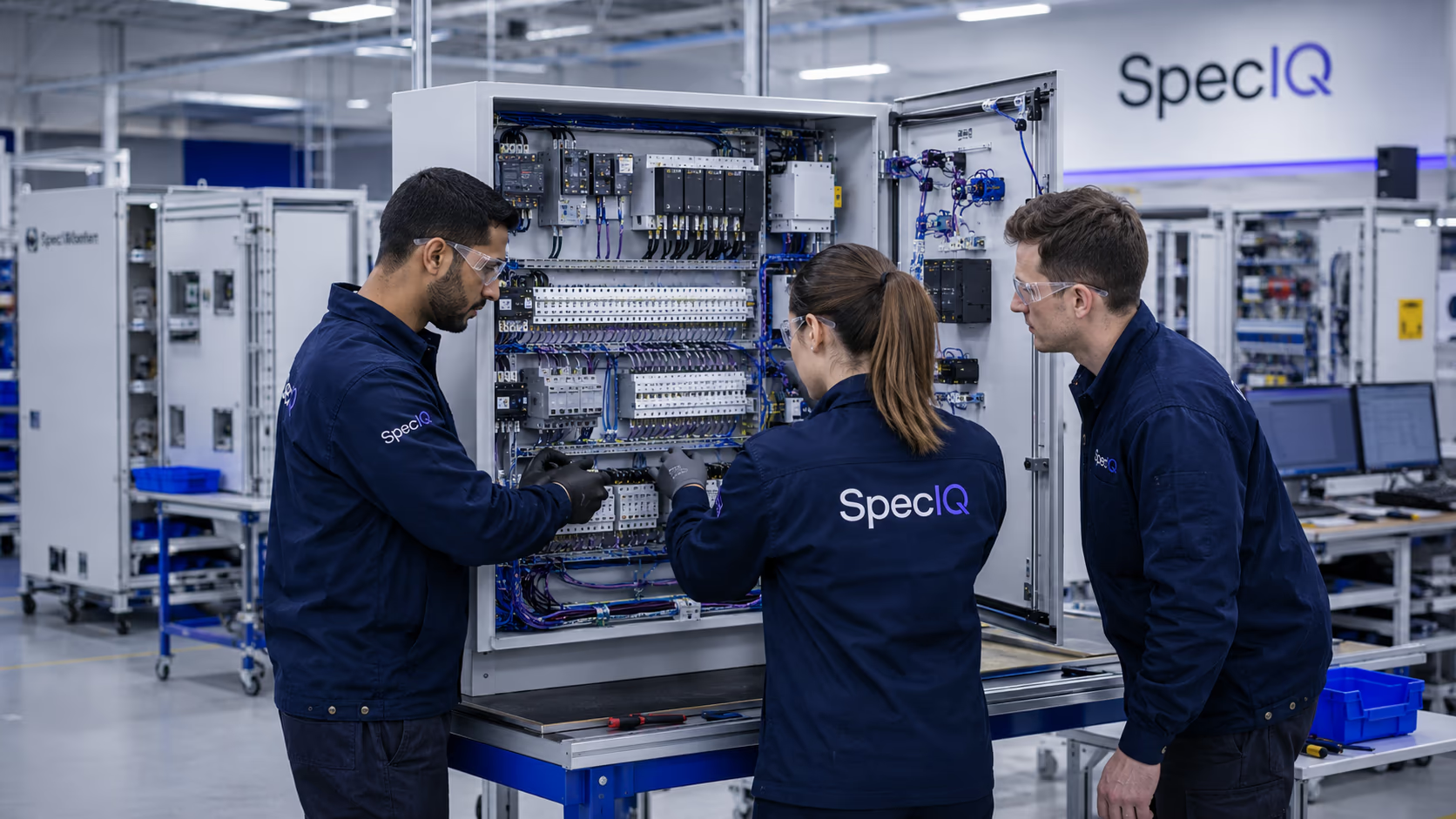
The True Cost of a Field-Built Panel
The component invoice for a field-built panel looks identical to a factory-built one — the real cost lives somewhere else entirely. Here's where, and what the total-cost-of-ownership math actually looks like over a five-year window.
-
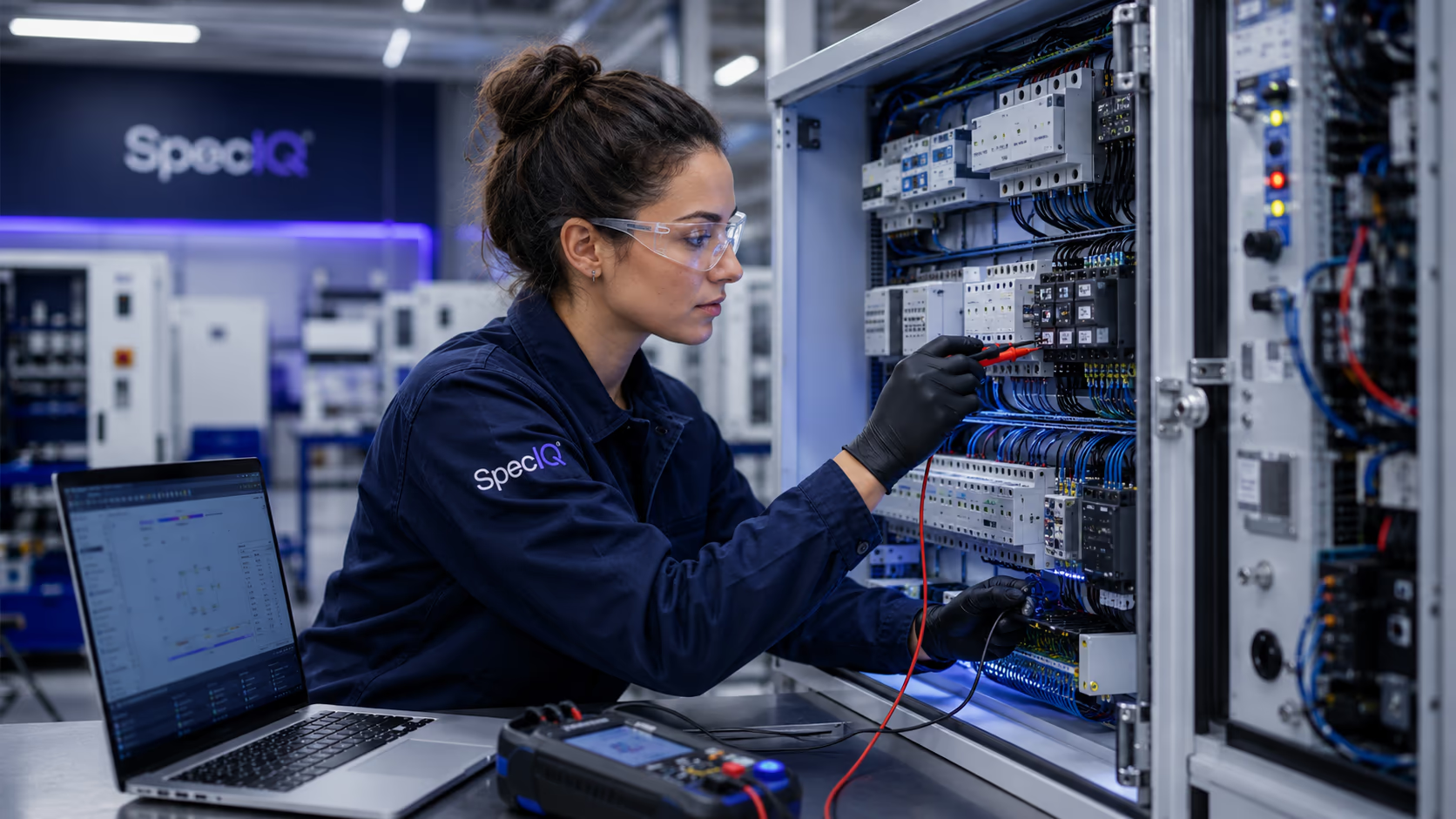
UL 508A Without the Six-Year Wait
Most shops with a UL 508A label have certified one fixed product line and stopped — fully-custom shop certification is a different process that takes years longer. Here's why that distinction matters when you're specifying a panel.
-
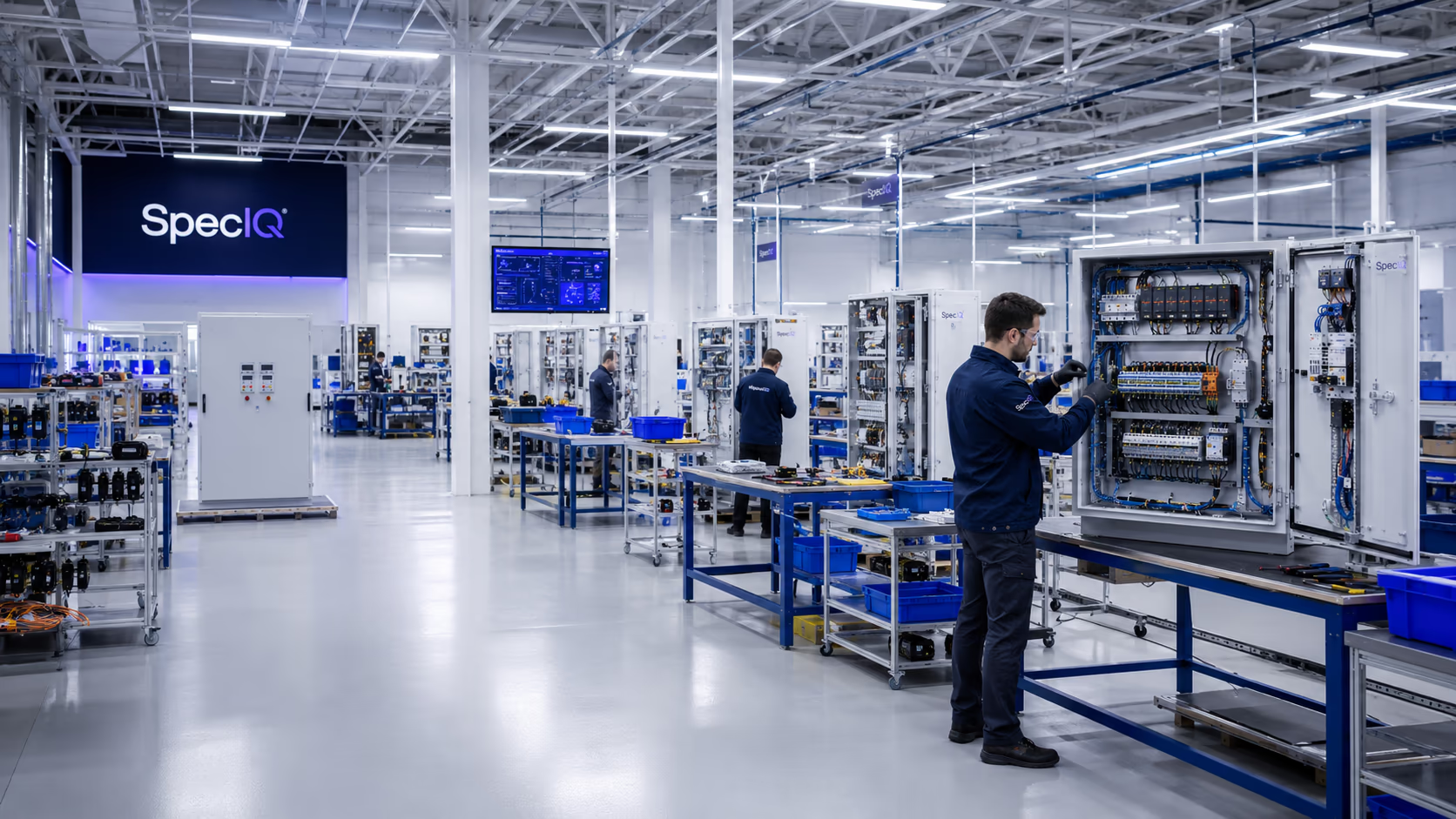
Field-Building Is the Norm. It Shouldn't Be.
Most building-automation panels in North America are still assembled on the job site by whichever tech happens to be available — and the economics of that habit stopped making sense about fifteen years ago. Here's what's holding it in place and what changes when factory-built becomes the default.
-
Design Once, Reorder Forever
Every custom panel we build gets a SKU that stays in our system for the lifetime of the customer relationship — which means panel one and panel two hundred leave the shop wired identically. Here's why that matters at scale, and what it costs not to do it.
-
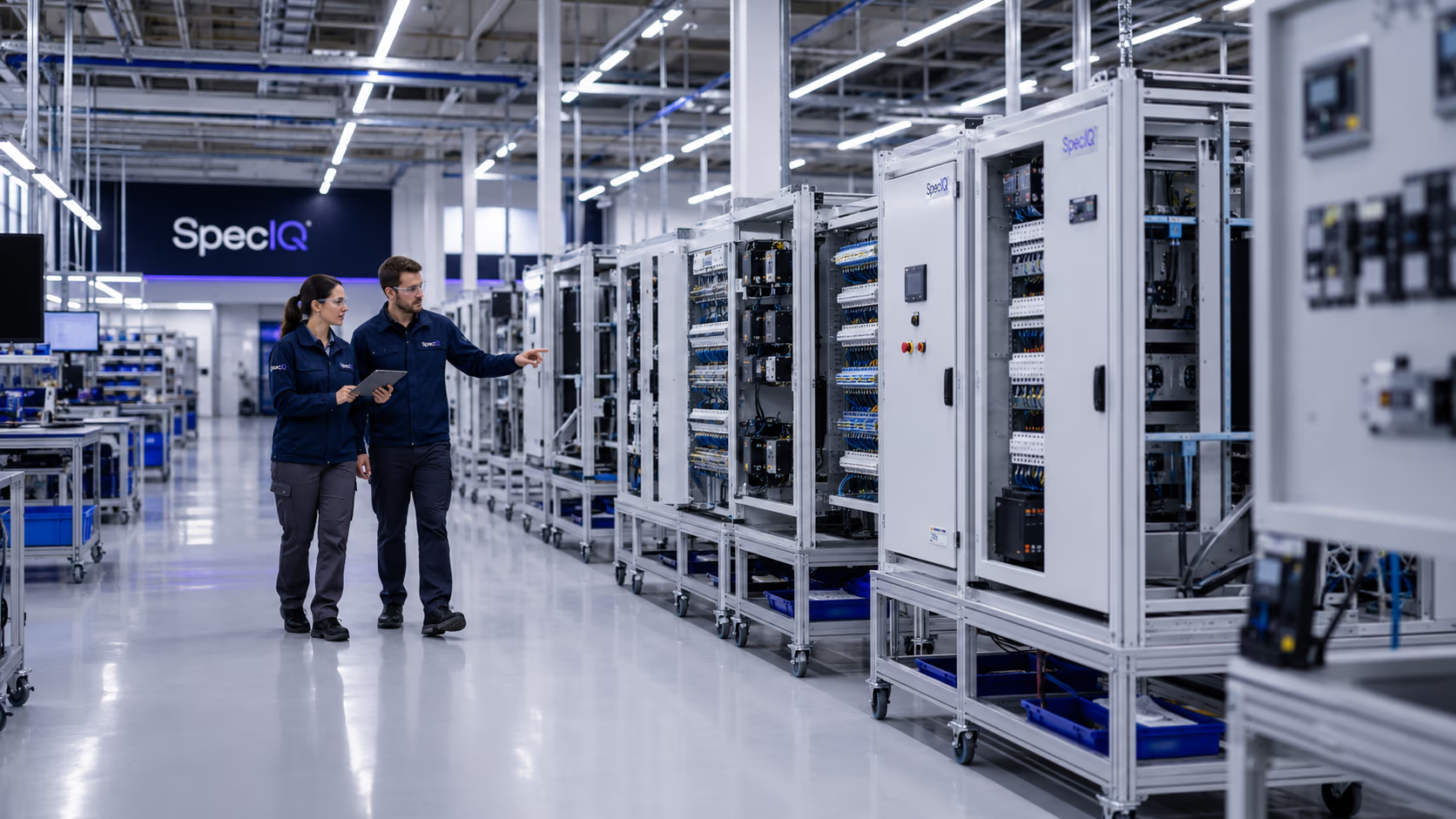
Inside the 48-Hour Burn-In
Every panel runs for forty-eight hours in our burn-in lab before it ships — under full load, across temperature ramps and voltage stress. Here's what we test for, why the number is forty-eight specifically, and what the failure data looks like.
-
BAS to BMS — A Plain-English Reference
Building-automation acronyms multiply faster than the protocols they describe. This is a working reference for field engineers, IT teams, and anyone who's tired of asking "wait, which one is BACnet again?"